
Ghent shares admissions verification lessons at Belgian university roundtable

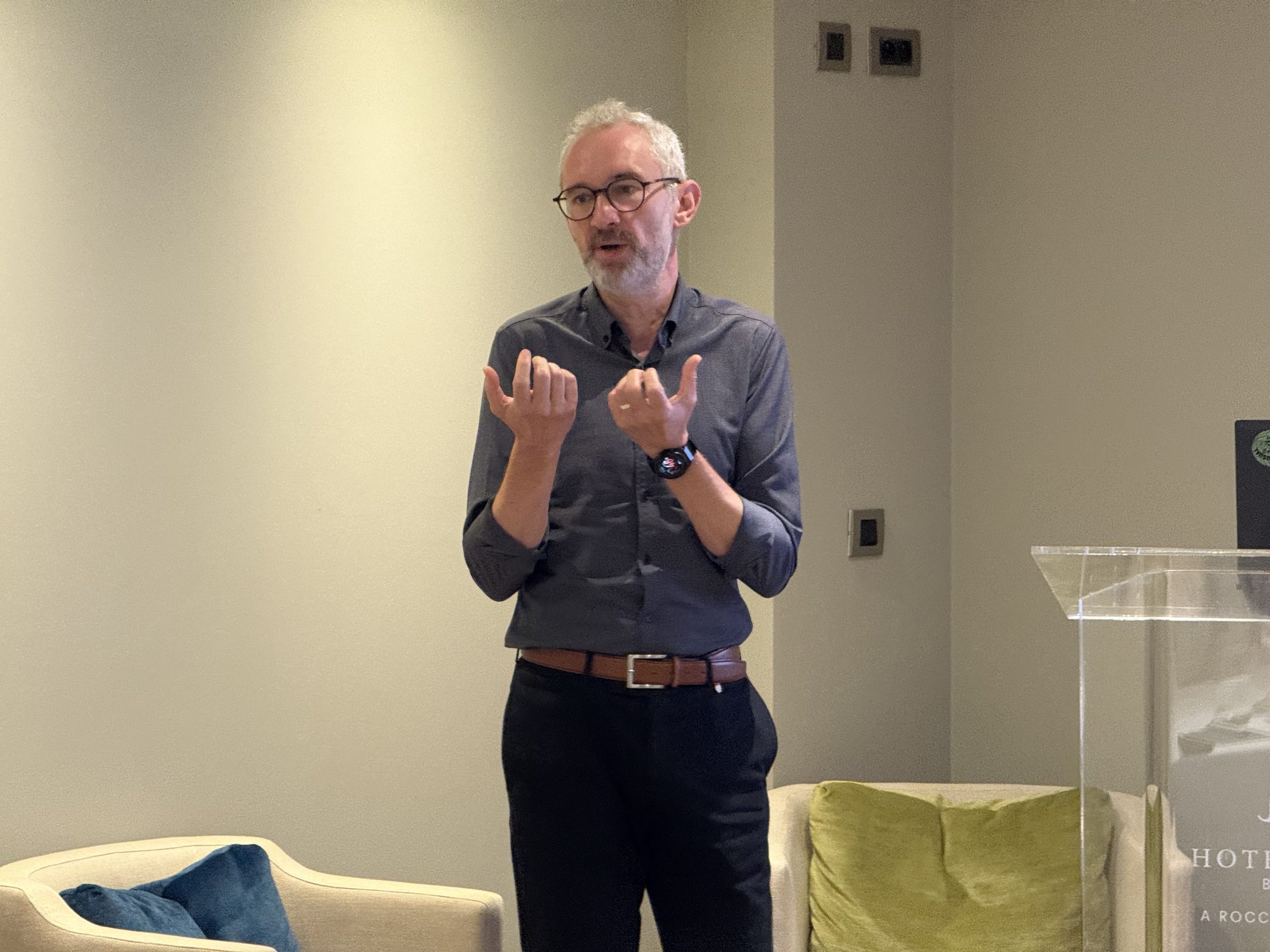
Ghent University shared its experience of simplifying international qualification checks as Belgian university colleagues met at Hotel Amigo in Brussels on Tuesday 6 October.
Hosted by Qualification Check, the roundtable brought together colleagues from seven Belgian universities for an afternoon of discussion on fraud trends, verification processes and the practical pressures facing admissions teams.
Dr Thomas Buerman, Team Lead for International Admissions and Support at Ghent University, shared the university’s experience of simplifying qualification verification across a large and diverse international applicant pool.
His presentation explored the practical challenges of managing qualifications from different education systems, each with its own documentation and legalisation requirements. For admissions teams, navigating those differences can involve substantial communication with applicants and awarding institutions.

Simplifying international verification
Thomas illustrated the complexity of international document checks through examples of country-specific legalisation requirements. Different routes can leave admissions teams explaining procedures repeatedly and helping applicants establish which requirements apply to them.
For students, obtaining the necessary documentation can also involve significant time and expense, particularly where embassy or consular services are difficult to access.
Ghent’s work with Qualification Check has helped simplify these requirements through a standardised digital workflow, checking qualifications directly with the institutions that issued them. Centralised communication supports a more consistent process for admissions staff and gives applicants a clearer route to follow.
Thomas also discussed the practical experience of introducing Qualification Check and incorporating verification into the university’s admissions workflows.
His contribution prompted wider discussion about introducing new ways of working into established teams. Colleagues recognised the importance of supporting experienced staff through changes to familiar procedures and making clear how an external verification service can assist their work.
Different processes and shared pressures
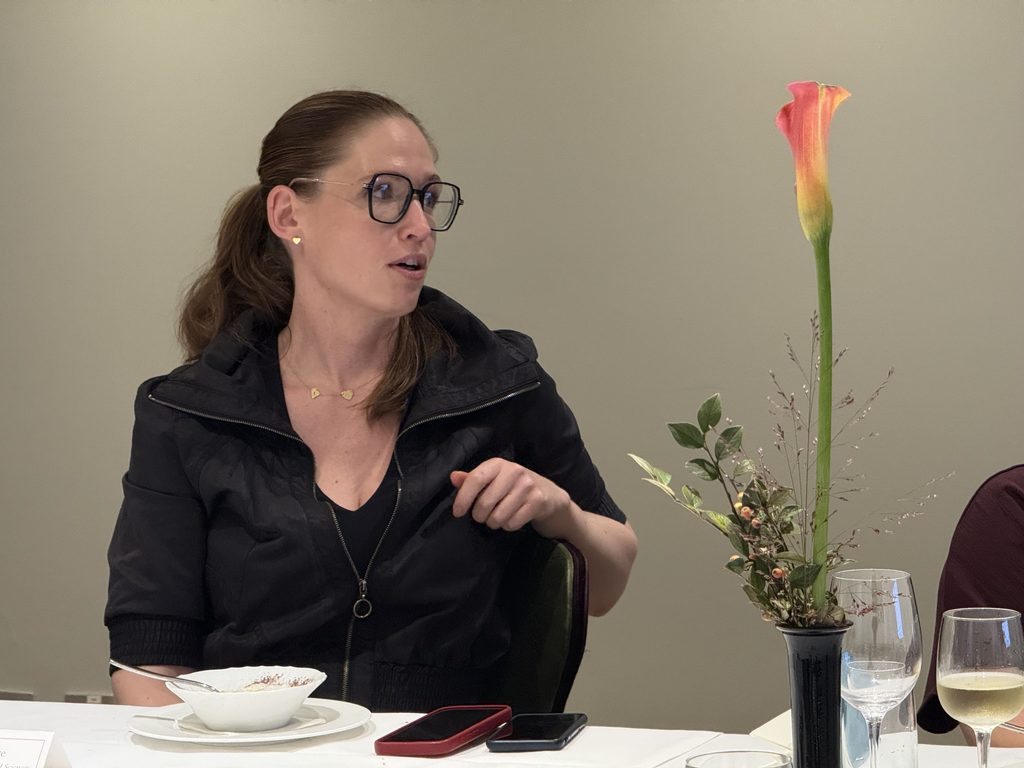
Three concerns drew broad agreement around the table: understanding the legal framework and the level of scrutiny required, deciding when verification should take place, and ensuring teams have the expertise to identify and handle suspicious qualifications. Time and turnaround were recurring pressures.
Discussion revealed different approaches to placing verification within admissions, with some institutions using checks earlier to assess applications and others incorporating them once the required documents had been collected. Participants compared how those choices affected staff workloads and the applicant experience.
The assurance offered by traditional legalisation and apostille routes was another point of discussion. Participants explored whether administrative certification gave admissions teams sufficient confidence in the underlying qualification, and the value of obtaining confirmation directly from the awarding institution through primary source verification.
Despite differences in their processes, colleagues recognised many of the same challenges. The roundtable provided an opportunity to compare approaches and hear how other teams were addressing them.
Verification insights inform the discussion
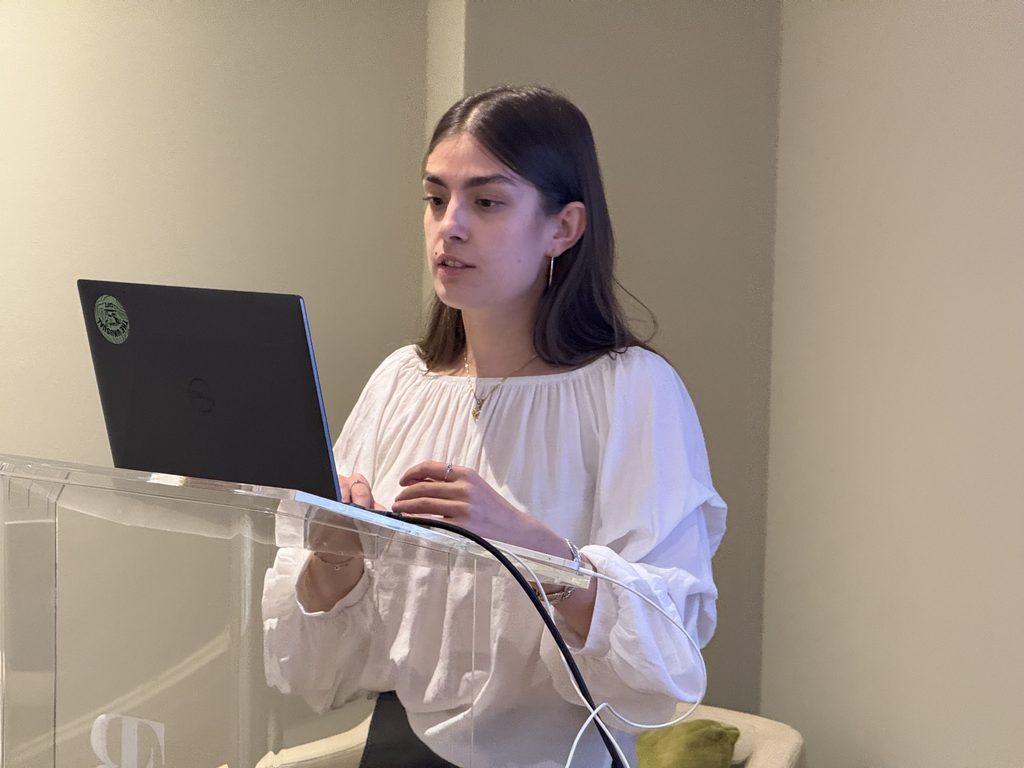
Qualification Check shared insights from its verification activity, exploring the issues that can delay checks and the importance of distinguishing suspected fraud from incomplete documentation.
The discussion highlighted how missing documents, incorrect details and requests for further information can create additional work for admissions teams and applicants. Clear guidance and timely support were recurring themes, helping genuine applicants complete verification while allowing staff to focus on cases requiring closer investigation.
Participants also showed strong interest in wider fraud trends and examples from different qualification markets, including how intelligence drawn from across institutions could inform their own approach.
The opportunity to put individual cases into a wider context was particularly relevant to the discussion about staff expertise. Alongside reliable verification processes, teams need access to current information about the types of fraud being encountered and the challenges affecting checks in different education systems.
An appetite for closer collaboration
The opportunity to exchange experience emerged as a significant part of the afternoon. Participants described limited opportunities to discuss admissions challenges with peers and welcomed the chance to compare processes and future approaches.
Sharing information about fraud outcomes was raised more than once. Colleagues discussed whether institutions could learn more effectively from cases already identified elsewhere, alongside questions about how such information could be shared appropriately.
For Qualification Check, the discussion highlighted the value of bringing wider fraud intelligence into ongoing conversations with university partners, alongside support with individual cases.
Ghent’s contribution provided a practical example of how verification can become easier to manage across an international applicant pool. The wider conversation revealed a shared interest in clearer processes, stronger staff expertise and more opportunities for Belgian universities to learn from one another.

Recent Articles
Ghent shares admissions verification lessons at Belgian university roundtable

The cost of doing nothing: what is qualification verification worth to your university?

Rising student visa refusals raise the stakes for pre-CAS verification

The Hidden Complexity of Verifying International Qualifications

Student Finance Fraud: Why Universities Need to Verify More Than Qualifications