
Student Finance Fraud: Why Universities Need to Verify More Than Qualifications

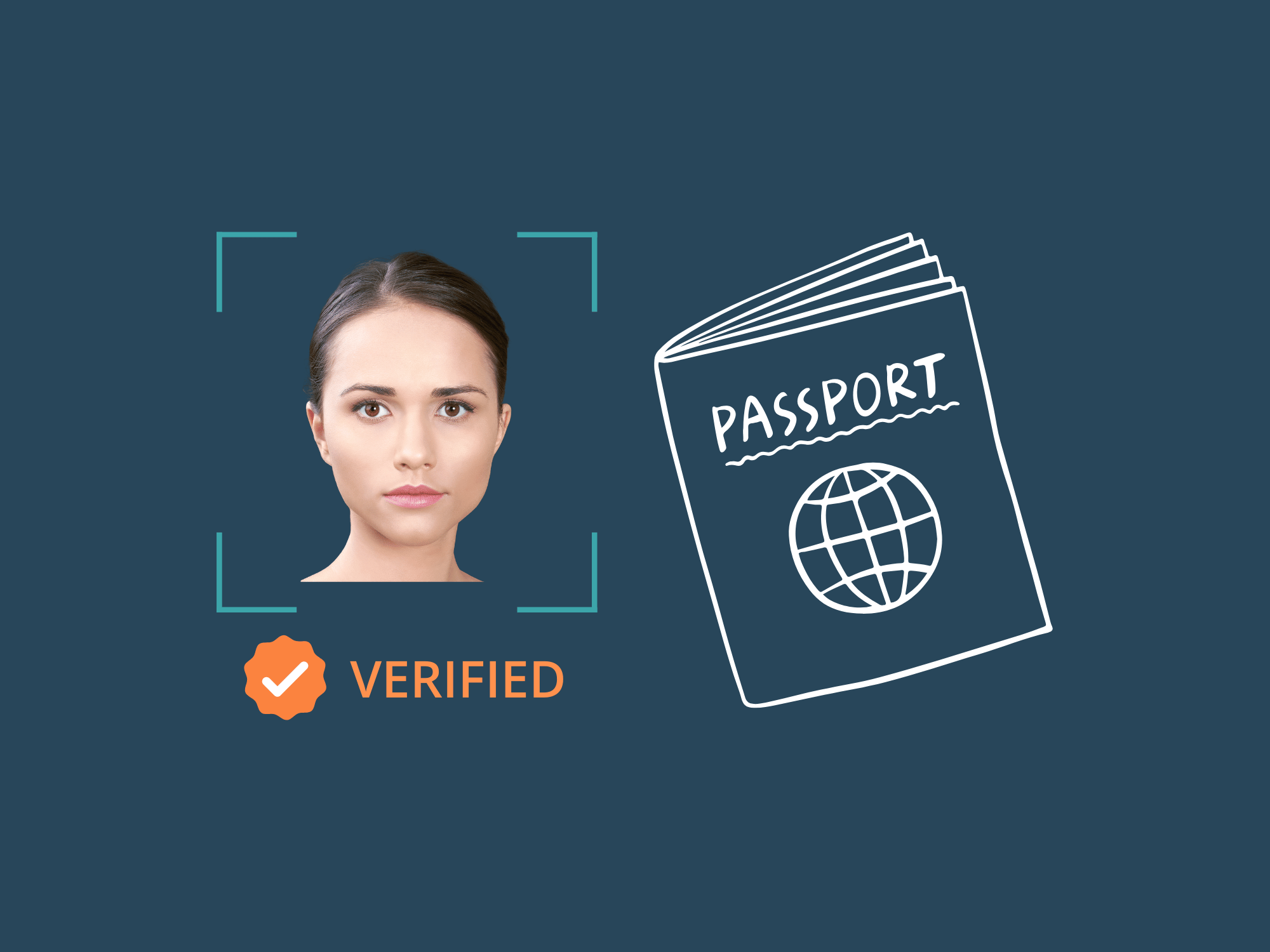
The government inquiry into alleged abuse of the student finance system prompted an important conversation across higher education. While the investigation is ongoing, it has highlighted a broader question for universities: how can institutions demonstrate that the right people are accessing publicly funded education?
For many institutions, qualification verification already forms a routine part of admissions. Universities invest significant time and resources confirming that applicants genuinely hold the qualifications they claim.
But a verified qualification only tells part of the story. It confirms that the evidence is genuine. It does not necessarily confirm that the person presenting it is.
As scrutiny around student finance, admissions and compliance continues to increase, that distinction is becoming increasingly important.
Over the past 12 months, I’ve noticed a clear shift in conversations with admissions, compliance and recruitment teams. Historically, identity verification was primarily associated with international recruitment and immigration compliance, helping universities meet visa requirements and confirm the identity of overseas applicants.
Today, that conversation is expanding rapidly.
Much of the recent media attention has focused on UK-domiciled applicants, eligibility for student finance and the controls universities have in place before enrolment. As a result, digital identity verification is increasingly being discussed not simply as an immigration control, but as a way of giving institutions greater confidence that the individual applying is genuinely entitled to access a university place and the public funding that may accompany it.
In that context, identity verification becomes far more than a compliance exercise. It becomes an important control that helps protect public funding, reduce opportunities for impersonation and demonstrate robust admissions processes.
The wider fraud landscape only reinforces this shift. The Russell Group has recently called for stronger action on student visa fraud and closer collaboration between universities and government to strengthen verification processes. At the same time, institutions are beginning to report concerns around AI-generated identities and deepfake technology during admissions interviews, introducing risks that would have seemed unlikely only a few years ago.
Increasingly, universities are not simply verifying documents. They are protecting the integrity of the entire admissions decision.
Some institutions already have well-established processes for verifying qualifications, reviewing supporting documentation and identifying fraudulent academic records. More and more, we’re seeing universities ask how those processes connect.
A genuine qualification presented by the wrong individual still creates institutional risk. Equally, a verified identity provides only limited assurance if the supporting qualifications cannot be trusted. Assurance comes from verifying both the applicant and the evidence they provide.
This is where the concept of admissions integrity becomes valuable. Rather than viewing qualification verification, identity verification and fraud prevention as separate activities owned by different teams, universities are beginning to consider them as complementary parts of a single risk management framework.
That joined-up approach delivers benefits well beyond fraud prevention alone. It strengthens student finance controls, supports regulatory compliance, provides a clearer audit trail and helps institutions demonstrate that appropriate due diligence has been carried out before public funding is committed.
Student finance fraud may be the issue driving today’s headlines, but I suspect it represents the beginning of a much broader shift.
As scrutiny around public funding grows and fraud becomes more sophisticated, universities are increasingly looking for stronger evidence that admissions decisions can withstand regulatory and public scrutiny. Digital identity verification is becoming an important part of that wider assurance framework.
At Qualification Check, we’re seeing growing interest from universities exploring how identity checks can complement their existing qualification verification processes. Connecting the two gives institutions greater assurance that both the evidence being presented and the individual presenting it are genuine, while creating a clearer record of the due diligence undertaken before enrolment and funding decisions are made.
If you’d like to discuss how other universities are approaching these challenges, or explore how digital identity verification could support your admissions process, I’d be delighted to have a conversation.

Recent Articles

The cost of doing nothing: what is qualification verification worth to your university?

Rising student visa refusals raise the stakes for pre-CAS verification

The Hidden Complexity of Verifying International Qualifications

Student Finance Fraud: Why Universities Need to Verify More Than Qualifications

Why Applicant Support Matters in Qualification Verification